Your Australian guide to mixing gold and silver necklaces. Modern metal mixing principles, layering techniques, and styling tips for confident mixed metal looks.
Mixing gold and silver necklaces has shifted from styling rule break to deliberate fashion choice. Where the old advice was to commit to one metal tone and stay consistent, modern jewellery layering treats metal contrast as a styling tool rather than a problem to avoid. The change has been gradual but firm: in current styling, mixed metals read as considered and contemporary rather than mismatched. This Australian guide walks through the principles of mixing metals confidently, the techniques that work, and how to build mixed metal stacks that feel intentional.
For the broader layering framework, our complete necklace layering guide covers how to build stacks across all metal tones. For length context, our necklace lengths guide covers each standard length in detail. For the relationship between necklaces and what you wear, our necklaces by neckline guide covers how stacks pair with different clothing necklines.
The Modern Mixed Metal Reset
The traditional rule against mixing metals comes from a particular era of jewellery styling, where matched sets and consistent metal tones signalled formality and care. The thinking was that if one piece was gold, every piece should be gold. Mixing was seen as accidental rather than deliberate.
Modern styling has moved away from that thinking. Today, mixed metal looks read as relaxed, layered, and curated. The visual contrast between gold and silver tones adds depth that single-metal stacks cannot achieve. The change reflects a broader shift in jewellery: pieces are now collected over time, gifted, inherited, and combined in personal ways rather than purchased as matched sets.
The result is that mixing gold and silver in a necklace stack is now a fashion-forward choice rather than a styling oversight. The key is doing it deliberately, with a few simple principles that turn mixed metals from accidental to intentional.
Mixed metals are not a styling mistake. Done deliberately, they are a styling choice that adds depth a matched stack cannot.
Five Principles of Mixing Metals
One metal tone should lead the look, with the second metal acting as accent. A gold dominant stack with one or two silver pieces reads cohesive. A silver dominant stack with one or two gold pieces reads cohesive. A 50 to 50 split between the two often reads less intentional, since neither metal anchors the look. Aim for roughly two thirds dominant metal, one third accent.
The fastest way to make mixed metals look deliberate is including one piece that contains both gold and silver elements. A pendant with mixed metal detailing, a necklace with gold and silver charms, or a layered piece with one gold chain and one silver chain creates a visual bridge between the two tones. The connector piece tells the eye that the metal mix is on purpose.
When mixing metals, clear length separation between layers helps each piece register as its own element rather than one cluttered stack. Standard layering rules apply: 4 to 5cm difference between chain lengths so each piece has visible space. With mixed metals, this clarity matters extra since the eye is also processing the colour change.
Mixed metal necklaces look most intentional when the rest of the jewellery echoes the same mix. Earrings in both metals, a watch in one metal and a bracelet in the other, or rings spanning both tones all reinforce the intentional mixing. When everything else is single metal, the mixed necklace stack can read as the odd element.
The finish quality matters more than the metal type. Two pieces with bright polished surfaces sit together more cohesively than a polished piece paired with a matte tarnished one. Keep all pieces in similar condition, with similar surface treatments, and the metal mix will read as deliberate styling rather than accidental wardrobe overlap.
Mixing Techniques That Work
Beyond the principles, a few specific layering techniques deliver reliable mixed metal results. Each works for slightly different occasions and styling preferences.
A gold dominant stack: gold chain at 40cm, gold pendant at 45cm, silver delicate piece at 50cm. The silver acts as a single accent piece that breaks the otherwise gold look. Reads warm and contemporary, suits casual to smart casual styling.
A silver dominant stack: silver chain at 40cm, silver pendant at 45cm, gold delicate piece at 50cm. The gold accent adds warmth to an otherwise cool silver look. Reads sophisticated and works particularly well with cooler outfit palettes.
Three layer stack with a mixed metal piece as the middle layer. Gold chain on top, mixed metal pendant in the middle, silver chain on bottom. The middle piece visually bridges the two outer layers and the entire look reads intentionally curated.
Pair pieces where the chain is one metal and the pendant has elements of the other. A silver chain with a gold accented pendant. A gold chain with a pearl pendant featuring silver framing. The contrast lives within individual pieces rather than between separate chains.
Three or more layered chains where some pieces have charms from the opposite metal. A gold chain might carry a silver charm. A silver chain might carry a gold charm. The charms become the connector elements between otherwise separate metal tones.
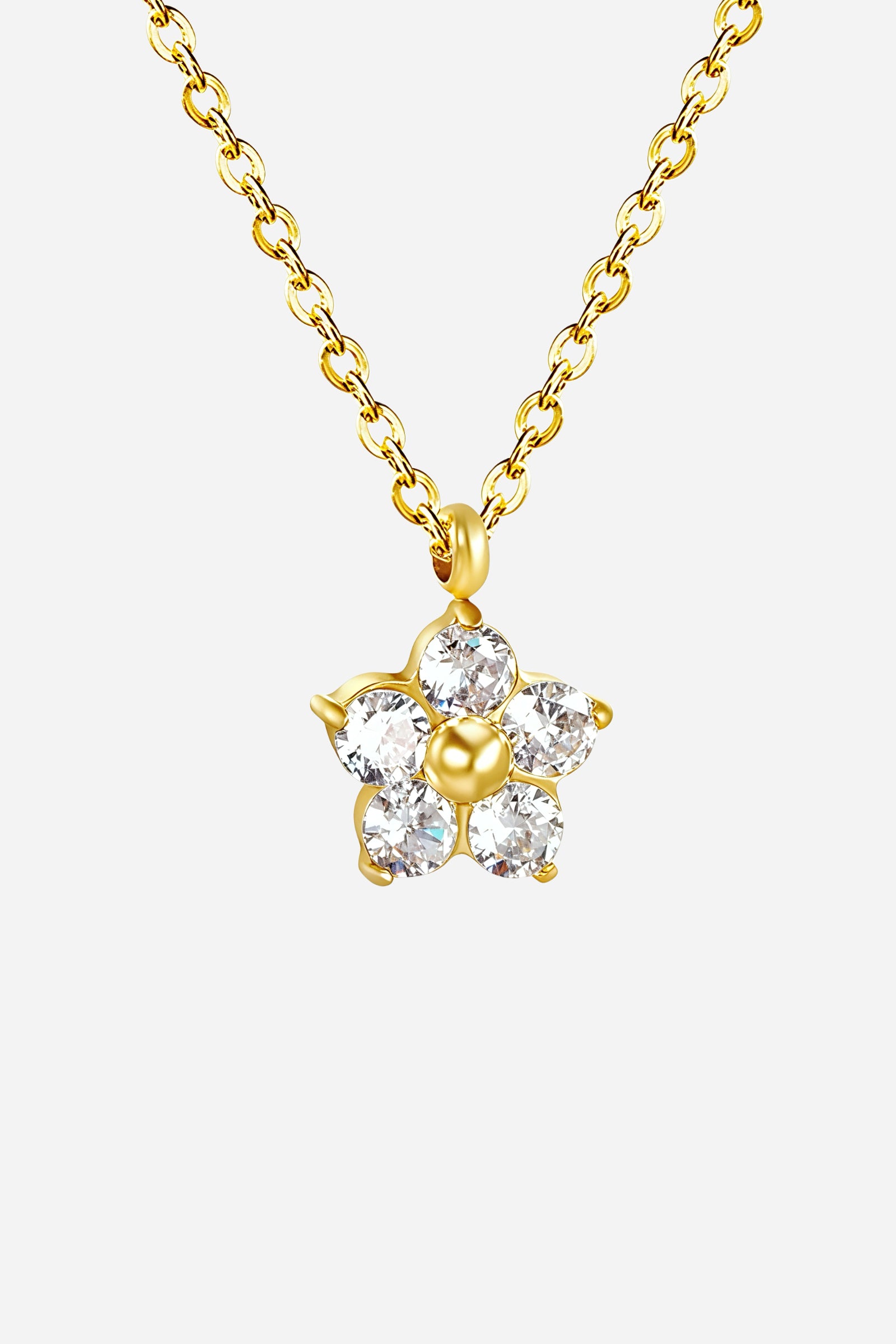
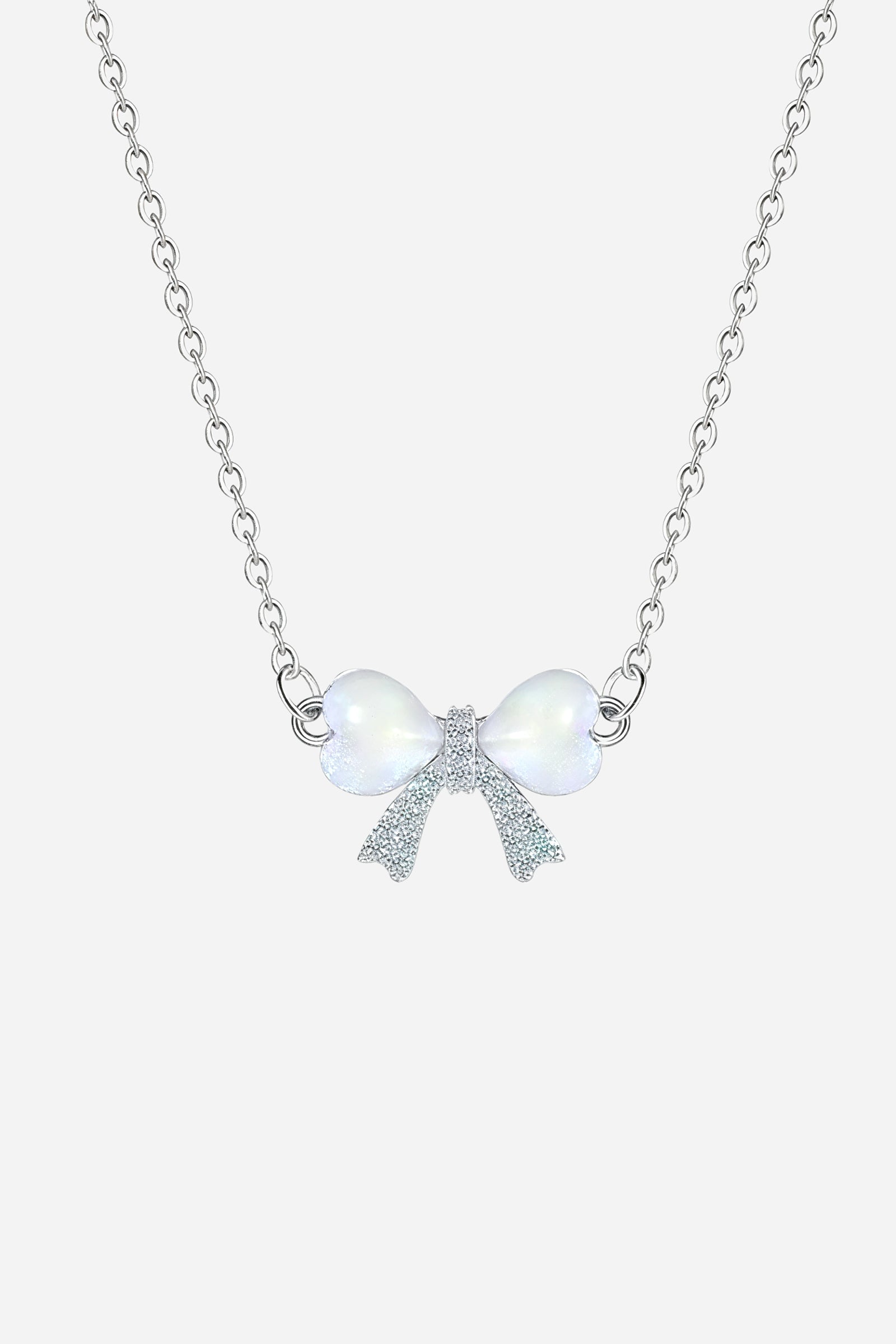
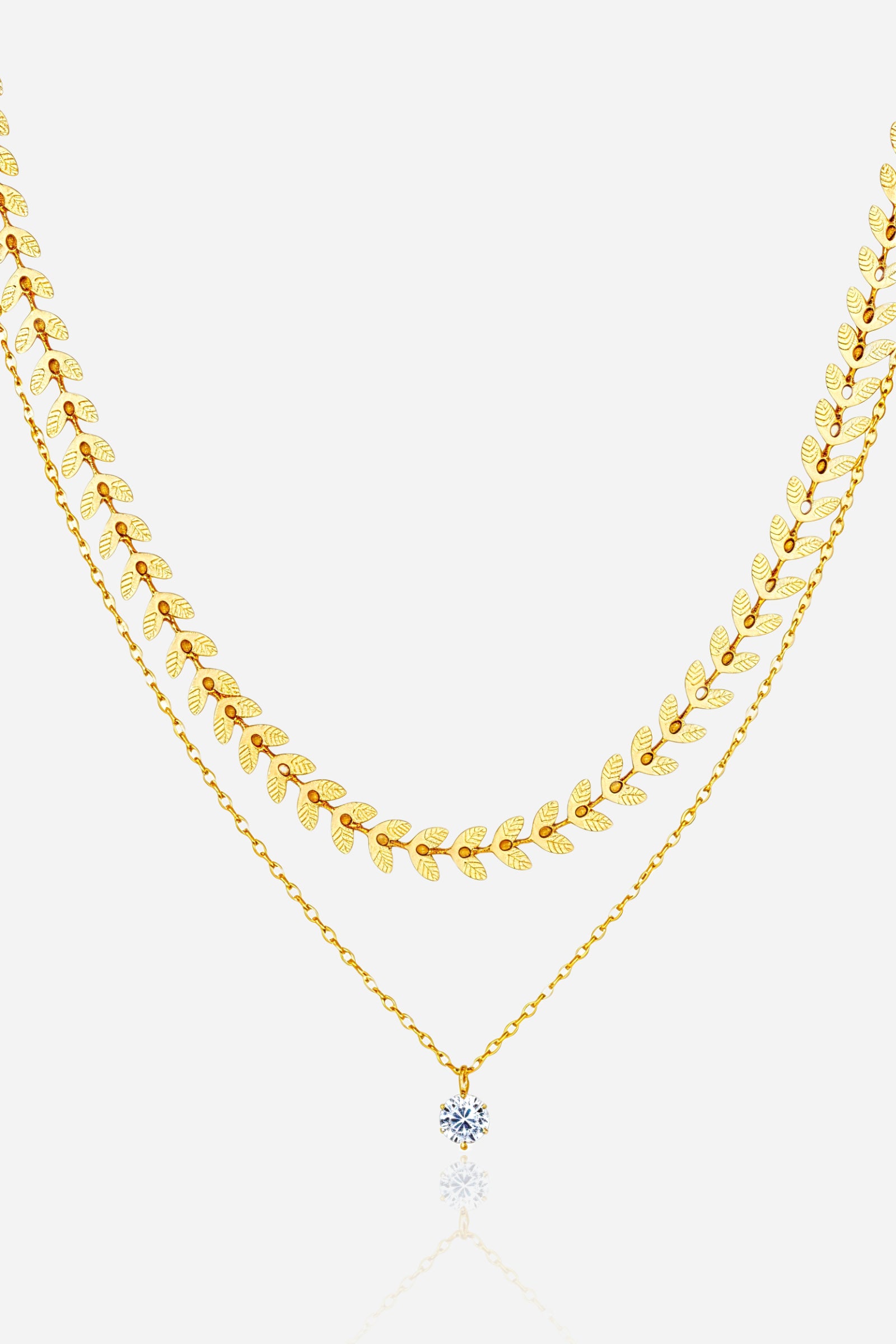
A gold hero, a silver hero, and a layered piece for building confident mixed metal stacks. From the necklaces collection.
Mixing Metals by Outfit
Mixed metal stacks pair with different outfit contexts in distinct ways. The same gold and silver combination can read as casual, professional or evening depending on what surrounds it.
Tee, jumper or button down with relaxed pants or jeans. Two layered chains in mixed metals work well: one gold, one silver, both at staggered princess lengths. The casual context lets the metal mix read as effortless rather than over styled.
Blouses, blazers, structured tops. A subtle mixed metal stack works in professional contexts when both pieces stay delicate. A fine gold chain with a fine silver pendant, or vice versa. Avoid heavy charms or chunky pendants in conservative work environments.
Dinners, drinks, dates. The forgiving styling territory where mixed metals shine. Three layered pieces across both metals, with a mixed metal connector in the middle, deliver depth and intentionality. Pair with similarly mixed earrings or rings.
Cocktail dresses, suits, special occasions. Mixed metals work for formal contexts when the pieces themselves are quality polished and the layering stays restrained. Two mixed metal pieces, both in classic designs, read as deliberately curated rather than overdone.
A relaxed metal mixing context. Sun, salt water, swimwear, summer dresses. Mixed metal layered pieces work beautifully for resort wear because the entire look is already eclectic and personal. 18K PVD Gold Plated pieces and Sterling Silver pieces both handle Australian summer conditions when properly cared for.
Do and Avoid: Mixed Metal Quick Reference
- Anchor with one dominant metal, accent with the other
- Include a connector piece with both metals
- Vary chain lengths clearly (4 to 5cm minimum spacing)
- Match polish and finish quality across pieces
- Echo the mix in earrings, rings or bracelets
- Treat metal mixing as a deliberate styling tool
- Splitting evenly 50 to 50 with no clear lead
- Mixing pieces with very different finish quality
- Overcrowding the stack with too many layers
- Single metal everywhere else with one mixed stack
- Combining tarnished and bright pieces
- Forcing a mix when one metal alone would suit the look
Caring for Mixed Metal Pieces
Different metal types have slightly different care requirements. When mixing pieces, the rule is to follow the more cautious care guideline that applies to any piece in the mix. This keeps all pieces in good condition over time.
Wipe both metals with a soft cloth. A microfibre cloth works for both 18K PVD Gold Plated stainless steel and Sterling Silver. Avoid harsh polishing cloths designed for one metal, which can damage the other.
Apply products first, jewellery last. Perfume, hair spray, and skincare products affect all metal types. Apply these before the necklace stack to keep all pieces bright.
Store mixed pieces separated. Different metals can transfer surface oils to each other in storage. A jewellery stand, lined tray or individual soft pouches keep each piece in good condition. Sterling Silver in particular benefits from anti-tarnish storage.
Water exposure with quality materials. 18K PVD Gold Plated stainless steel handles daily showers well. Sterling Silver can also handle water but benefits from gentle drying afterwards. For pieces specifically built for daily water, the waterproof jewellery collection covers the dedicated water resistant range.
Keep finish quality consistent. Mixed metal looks rely on similar polish levels across pieces. If one piece tarnishes, polish or refresh it before adding it back to the stack so the entire look reads as deliberately curated.
GLISTIA carries necklaces in both 18K PVD Gold Plated 316L surgical grade stainless steel and Sterling Silver 925, making mixed metal layering straightforward across the collection. Free Australian shipping on orders over $75 and standard 15 to 30 days returns through GLISTIA. Browse the full necklaces collection, the 18K PVD gold plated collection, the Sterling Silver collection, or waterproof jewellery for pieces built for daily Australian wear.
Yes. Mixing gold and silver necklaces is now a deliberate styling choice rather than a rule break. Modern jewellery layering treats metal contrast as a styling tool that adds depth to layered looks. The key is doing it intentionally: anchor with one dominant metal, use a connector piece that bridges both metals, vary chain lengths clearly, and echo the mix elsewhere in the rest of your jewellery.
No. The traditional rule against mixing metals comes from an older era of styling where matched sets signalled formality. Modern styling treats mixed metals as relaxed, layered and curated. The visual contrast between gold and silver tones adds depth that single-metal stacks cannot achieve. Done deliberately, mixed metals read as fashion-forward rather than mismatched.
Five techniques help: (1) Anchor with one dominant metal, accent with the other in roughly two thirds to one third proportion. (2) Include a connector piece that contains both gold and silver elements. (3) Vary chain lengths clearly so each piece has its own visible space. (4) Echo the metal mix elsewhere with mixed earrings, rings or bracelets. (5) Match the finish quality across all pieces so they read as a curated set.
Two to four pieces work well for most mixed metal stacks. Two pieces deliver the cleanest contrast (one gold, one silver). Three pieces allow a connector piece in the middle. Four pieces can work for evening or statement contexts. More than four can read as cluttered, particularly with the additional visual processing required for the metal contrast.
Yes, with restraint. For workwear and professional settings, keep mixed metal stacks subtle: two delicate pieces, fine chains, minimal charms. For formal occasions, mixed metals work when the pieces themselves are quality polished and the layering stays restrained. Two mixed pieces in classic designs read as deliberately curated rather than overdone.
When mixing pieces with different metals, follow the more cautious care requirement. A microfibre cloth works for both 18K PVD Gold Plated stainless steel and Sterling Silver. Apply products before the necklace, store pieces separately to prevent surface contact, and keep finish quality consistent across the stack. Sterling Silver in particular benefits from anti-tarnish storage to maintain the brightness needed for mixed metal looks.
When mixing metals in a necklace stack, echoing the same mix elsewhere reinforces that the look is intentional. Earrings in both metals, a watch in one metal and a bracelet in the other, or rings spanning both tones all reinforce the deliberate mixing. When everything else is single metal, the mixed necklace stack can read as the odd element rather than part of an intentional look.
Build Your Mixed Metal Stack
Necklaces in 18K PVD Gold Plated 316L surgical grade stainless steel and Sterling Silver 925. Pieces designed for confident mixed metal layering across daily Australian wear.