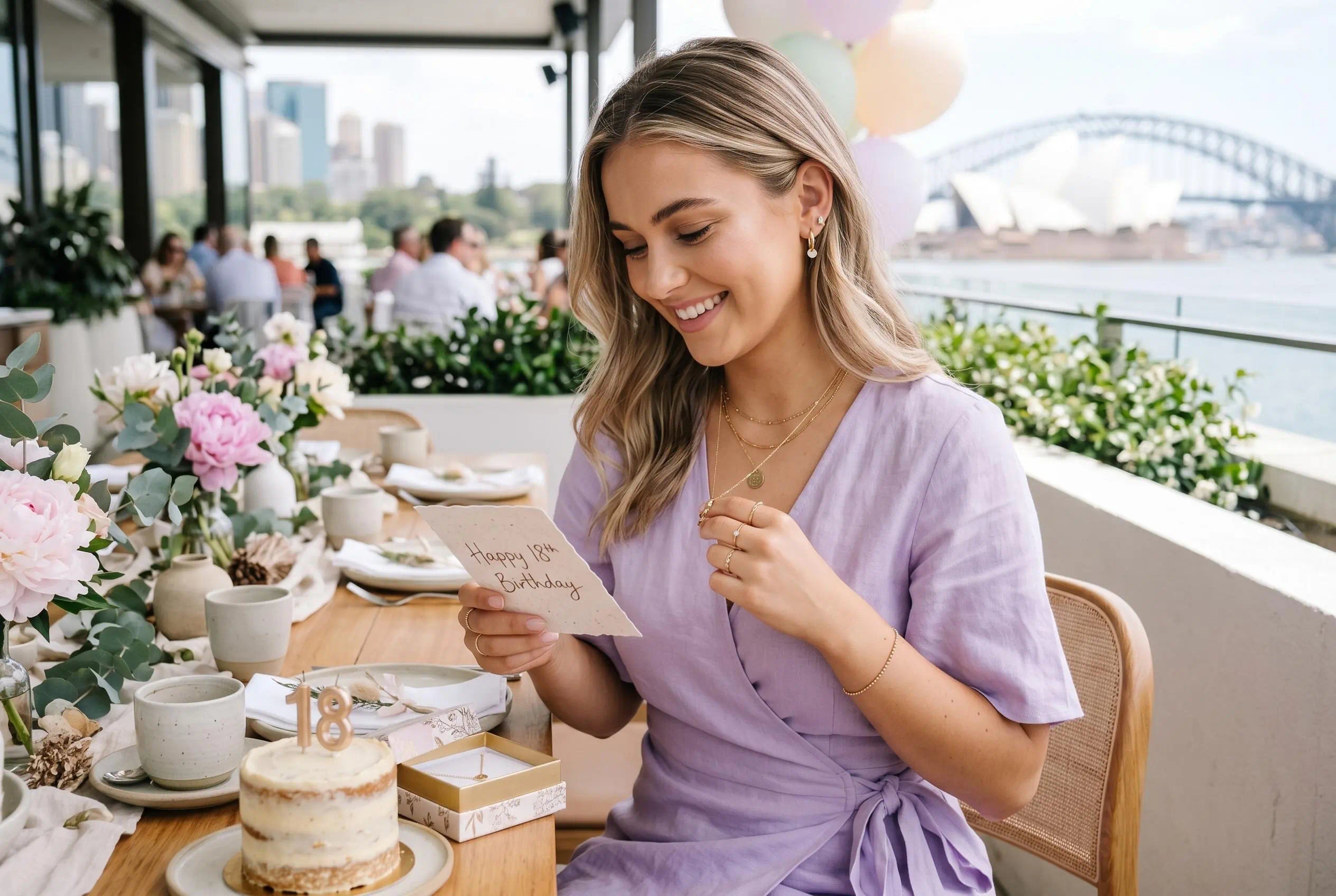
Australian beach culture meets jewellery reality. The honest answer to whether you can shower, swim, sweat and surf in your 18K PVD gold plated pieces.
Yes. Quality 18K PVD gold plated jewellery on 316L stainless steel can be worn in the shower, the pool, the ocean, the gym and on every other wet day Australian life throws at it. The honest catch is that not all 18K PVD gold plated jewellery is built equally, and a few simple habits make a real difference to how long your pieces stay looking new.
Australian buyers ask the water question more than almost any other one. With our climate and coastline, jewellery that cannot handle water is jewellery that mostly stays in a drawer. So this guide covers the realistic answers across every wet scenario, what makes quality 18K PVD gold plated different to cheap gold plated, and the small care habits that maximise lifespan.
For the bigger picture on why quality 18K PVD gold plated is the smart everyday choice, our 18K PVD gold plated guide covers it. For tarnishing specifically, our tarnish guide goes deeper.
The Honest Short Answer
Quality 18K PVD gold plated jewellery on 316L stainless steel is genuinely water resistant. The combination of a non reactive stainless steel base and a vacuum bonded gold layer means that water alone, including hot shower water, fresh water, sweat, chlorinated pool water and salt water, does not damage the piece during normal wear.
Cheap gold plated jewellery on brass or zinc alloy bases is a different story entirely. Water seeps through thin electroplated layers, reaches the reactive base metal underneath, and causes corrosion that shows up as discolouration, green skin marks and rapid plating breakdown. This is the kind of gold plated that gives gold plated a bad name, and it is what most people picture when they think of plated jewellery and water.
Both can legally be described as 18K PVD gold plated in Australia. The materials underneath the gold and the plating process used are what determine whether a piece can actually handle Australian wet life.
Cheap Gold Plated vs Quality 18K PVD Gold Plated in Water
The difference is not subtle. Side by side, here is how each tier behaves when it meets water repeatedly.
- Plating layer typically under 0.5 microns thick
- Water passes through quickly to reactive base
- Visible discolouration within months of regular water exposure
- Can leave green or dark marks on skin
- Often advised to remove before any water contact
- Plating may flake or peel off entirely after repeated wetting
- Plating bonded molecularly through vacuum deposition
- Stainless steel base does not react with water
- Holds finish through years of regular water exposure
- Does not leave skin marks even where plating thins
- Can be worn in shower, pool, ocean and gym
- Wear is gradual softening over years, not flaking
The plating is not what fails first in cheap jewellery. The base metal underneath is what fails. Quality plated jewellery solves this from the inside out.
How Quality 18K PVD Gold Plated Handles Each Water Scenario
Here is the realistic breakdown of how quality 18K PVD gold plated jewellery on stainless steel actually behaves across the wet situations Australians put their jewellery through.
Quality 18K PVD gold plated on stainless steel handles daily showers without damage. Soaps and shampoos are mild enough that they do not affect the plating in normal use. Some wearers prefer to remove pieces during showering to extend new looking shine, but it is not required.
Pool chlorine is harsher than fresh water, but quality 18K PVD gold plated on stainless steel handles regular pool use. Rinsing with fresh water after pool swims removes residual chlorine and helps preserve the plating. Heavy daily pool use may slightly shorten the typical lifespan range.
Salt water is fine for quality 18K PVD gold plated jewellery on stainless steel. A quick freshwater rinse after ocean swims prevents salt buildup. Sand can scratch in chain links if it gets trapped, so a gentle rinse to remove sand is worth the extra 10 seconds.
Sweat does not damage quality 18K PVD gold plated jewellery. Stainless steel does not corrode in sweat, and the bonded gold layer does not react. Wipe pieces with a soft cloth after heavy gym sessions to remove accumulated sweat residue.
Hot tubs combine elevated heat with concentrated chlorine or bromine, which is harsher than regular pool water. Quality 18K PVD gold plated jewellery generally tolerates occasional hot tub use, but frequent or extended exposure may shorten lifespan. Removing pieces is the safer option.
Bleach, ammonia and other strong household cleaners are harsher than any water based exposure. These chemicals can affect the plating over time. Removing rings and bracelets when cleaning protects them and extends their everyday appearance.
Quality 18K PVD gold plated jewellery on stainless steel is built for Australian beach culture. Morning ocean swims, beach BBQs, surf lessons, sandy walks, swimming pools, evening showers. None of these need to be a moment of jewellery anxiety. The 30 second freshwater rinse afterwards is the single most useful habit for keeping pieces looking new for longer.
From the Effortless Luxury Collection. 18K PVD gold plating on 316L stainless steel.


Five Habits That Maximise Water Resistance
Quality 18K PVD gold plated jewellery on stainless steel is built for water exposure. These five small habits help you get more years out of your pieces.
Salt and chlorine sit on the surface after they dry. A 30 second freshwater rinse removes them before they can build up over time. The single most useful water care habit for Australian beach lovers.
Wait until moisturiser, sunscreen and perfume have absorbed into your skin before putting your pieces on. This reduces direct chemical contact, which extends plating life across all wet scenarios.
A quick wipe with a clean soft cloth after intense gym sessions or sandy beach days removes accumulated residue. Keeps the surface clean without harsh cleaners that could damage the plating.
Hot tubs, spa treatments, hair colouring sessions and household cleaning all involve harsher chemistry than regular water. Removing pieces for these specific situations protects them and adds years to their everyday appearance.
Storing damp jewellery in a closed pouch or box traps moisture. A quick pat dry with a soft cloth before storage prevents moisture buildup and supports long term plating preservation.
The full waterproof jewellery collection at GLISTIA is built specifically for Australian wet life. Every piece across earrings, necklaces, rings, wristwear and anklets uses 18K PVD gold plating on 316L surgical grade stainless steel. The waterproof construction is the same across the range, so you can layer pieces freely without worrying about which ones can handle the beach.
What Actually Damages Plated Jewellery in Water
Water itself is not the enemy. The chemistry that comes with water in different settings is what causes damage to lower quality plated jewellery, and what shortens lifespan even on quality pieces over time.
Chlorine in pool water. Chlorine is an oxidising agent that aggressively attacks metals. Cheap plating breaks down within weeks of regular pool use. Quality 18K PVD gold plated on stainless steel resists this for years, but freshwater rinses extend resistance further.
Salt in ocean water. Salt accelerates corrosion in reactive base metals like brass and copper. Stainless steel does not corrode in salt water, which is why 316L stainless steel is used in marine hardware. The plating sits on top of an already non corrosive material.
Heat from hot showers and hot tubs. Heat speeds up chemical reactions. Hot water alone is fine for quality 18K PVD gold plated jewellery, but hot water combined with heavy soap or pool chemistry adds stress over time.
Soap and shampoo residue. Most everyday personal care products are mild enough to not damage quality 18K PVD gold plated jewellery in normal shower use. Build up over time can slightly dull surface shine, which a soft cloth wipe addresses easily.
Moisture trapped in storage. Wet jewellery stored in sealed containers or plastic bags traps humidity. This is harder on plating than the original water exposure was. Drying before storing solves it.
Yes, with quality 18K PVD gold plated jewellery on 316L stainless steel. The plating is bonded molecularly to a non reactive base metal, so water and mild soaps do not damage the piece in regular shower use. Some wearers prefer to remove pieces in the shower to keep them looking newer for longer, but it is not required for the jewellery to perform well.
Yes. Quality 18K PVD gold plated jewellery on stainless steel handles salt water without damage. The 316L stainless steel base is the same material used in marine hardware because it does not corrode in salt water. A 30 second freshwater rinse after the ocean removes salt residue before it can accumulate on the surface, which helps preserve appearance over years of beach wear.
Chlorine is harsher than fresh water or salt water, but quality 18K PVD gold plated jewellery on stainless steel handles regular pool exposure without immediate damage. Heavy daily pool use over years may shorten the typical 2 to 5 year plating lifespan slightly. Cheap electroplated jewellery on brass tarnishes quickly in chlorine, which is why pool wear separates real quality from budget plating fast.
Yes. Sweat does not damage quality 18K PVD gold plated jewellery on stainless steel. Stainless steel does not corrode in sweat and the bonded gold layer does not react. Earrings, necklaces and bracelets all hold up well in cardio and weight settings. Rings can experience friction wear from weights, so removing rings during heavy weight sessions extends their everyday shine.
The difference comes down to two specific things, the base metal used and the plating process. Cheap gold plated jewellery uses brass or zinc alloy bases that corrode in water, with thin electroplated gold that water passes through quickly. Quality 18K PVD gold plated jewellery uses 316L stainless steel as the base and bonds the gold molecularly through PVD vacuum deposition. Both can legally be described as 18K gold plated, but they perform completely differently in water.
No. Quality 18K PVD gold plated jewellery on stainless steel is genuinely water resistant for everyday wear including showers, swimming, ocean dips and gym sweat. The point of choosing quality 18K PVD gold plated jewellery is that you can actually live in it without taking it off for routine water contact. Removing pieces makes sense for harsh chemicals like bleach or for prolonged hot tub use, but not for normal water exposure.
18K Gold Plated You Can Actually Wear
18K PVD gold plating on 316L surgical grade stainless steel. Waterproof, nickel free, made for Australian life.